Moisture has a way of creeping into your home quietly, often going unnoticed until the damage becomes visible. A small leak, high humidity, or trapped condensation can slowly weaken materials, stain surfaces, and create an unhealthy indoor environment.
Water Damage Repair Salt Lake City for moisture damage is essential not only to restore your space but also to prevent long term structural and health issues. Understanding how moisture affects your home and how to address it can help you stay ahead of costly repairs.
What Is Moisture Damage
Moisture damage occurs when excess water or humidity accumulates in areas that are not designed to handle it. Unlike sudden flooding, moisture damage often develops gradually, making it harder to detect in its early stages.
This type of damage can affect walls, ceilings, floors, and even furniture. Over time, materials begin to weaken, warp, or deteriorate. Moisture can also create ideal conditions for mold and mildew, which can spread quickly if not addressed.
Recognizing moisture damage early is key to preventing more serious problems and maintaining a safe living environment.
Common Causes of Moisture Damage
Moisture damage can result from a variety of sources. One of the most common causes is hidden leaks. Pipes behind walls or under floors can slowly release water without immediate detection.
Poor ventilation is another major factor. Areas such as bathrooms, kitchens, and basements often trap humidity, leading to condensation on surfaces. Over time, this moisture can seep into materials.
Roof leaks and foundation cracks can also allow water to enter the home. Even small openings can let in enough moisture to cause damage over time.
Appliances and fixtures may also contribute. Faulty connections or worn components can create slow leaks that gradually affect surrounding areas.
Signs of Moisture Damage in Your Home
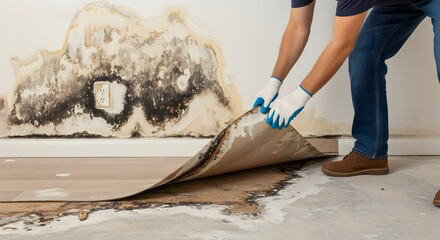
Identifying the signs of moisture damage early can help you take action before the situation worsens. One common sign is discoloration on walls or ceilings. These stains often indicate that moisture has been present for some time.
A musty odor is another clear indicator. This smell is usually associated with mold or mildew and suggests that moisture is trapped in hidden areas.
Peeling paint or bubbling surfaces can also signal moisture problems. When water gets behind finishes, it causes them to lose adhesion.
Warped flooring or soft spots are additional warning signs. These changes occur when materials absorb moisture and begin to break down.
The Water Damage Repair Process for Moisture Issues
Repairing moisture damage involves several important steps. The first step is identifying and eliminating the source of moisture. Without addressing the root cause, the problem is likely to return.
Once the source is controlled, the affected areas must be dried thoroughly. This may involve using ventilation and dehumidification to remove trapped moisture from materials.
Cleaning and treating the area is also essential. Mold and bacteria may develop in damp conditions, so proper sanitation helps restore a safe environment.
Damaged materials may need to be repaired or replaced. This can include drywall, flooring, or insulation that has been compromised. The goal is to restore both the appearance and integrity of the space.
How Moisture Affects Building Materials
Different materials react to moisture in different ways. Drywall can absorb water quickly, leading to weakening and potential mold growth. Once saturated, it may need to be replaced.
Wood is also highly susceptible. It can swell, warp, or crack when exposed to moisture. This can affect both structural components and furniture.
Flooring materials such as laminate or hardwood can buckle or separate when moisture seeps underneath. Even tile surfaces can be affected if water reaches the subfloor.
Metal components may develop rust or corrosion, reducing their durability. Understanding these effects highlights the importance of timely repair.
Preventing Future Moisture Damage
Preventing moisture damage requires a proactive approach. Regular inspections can help identify leaks and other issues before they become serious problems.
Improving ventilation is one of the most effective ways to control moisture. Using exhaust fans and ensuring proper airflow helps reduce humidity levels.
Sealing gaps and cracks in walls, roofs, and foundations can prevent water from entering the home. Maintaining gutters and drainage systems also helps direct water away from the structure.
Monitoring indoor humidity levels can make a significant difference. Keeping humidity within a balanced range reduces the risk of condensation and moisture buildup.
Why Quick Repair Is Important
Moisture damage may seem minor at first, but it can escalate quickly if left untreated. The longer moisture remains, the more it can weaken materials and spread to other areas.
Mold growth can begin in a short period, creating additional challenges. Once mold spreads, it becomes more difficult and costly to remove.
Quick repair helps limit damage, reduce costs, and restore the space more efficiently. Acting early also helps maintain a healthier indoor environment.
Long Term Impact of Moisture Damage
If moisture damage is not properly addressed, it can lead to long term consequences. Structural components may weaken, affecting the safety and stability of the home.
Persistent moisture can also impact indoor air quality. Mold and mildew can cause discomfort and potential health concerns for occupants.
There can also be financial implications. Delayed repairs often result in more extensive damage, increasing overall costs. Addressing moisture issues early helps protect your investment.
Conclusion
Water damage repair for moisture damage is an essential part of maintaining a safe and comfortable home. By understanding the causes, recognizing the signs, and taking prompt action, you can prevent small issues from becoming major problems.
Proper repair and preventive measures ensure that your home remains protected from future damage. With regular maintenance and attention to detail, you can create a healthier and more durable living environment.
Moisture may be a common challenge, but with the right approach, it can be managed effectively. Taking action today helps preserve the quality and value of your home for years to come.